by Nadav Zeimer
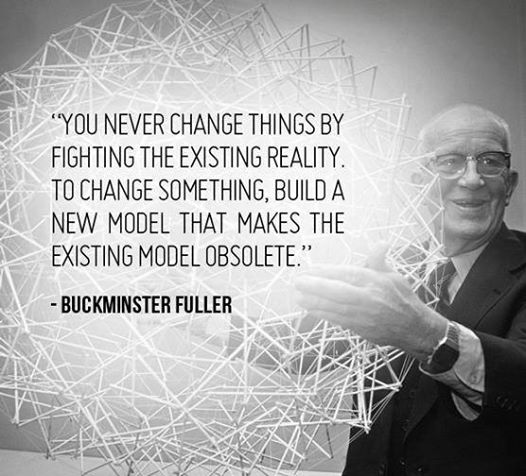
A double fall line is a slope that drops in two ways at once. The mountain pulls you toward the trees while gravity pulls you down the hill sideways. You cannot fight both. Caution is what tips you back and out of control. The only way down is to commit, pick a line, dive out ahead of your skis and ride your edges underfoot. Trust the body to find the path your eyes see ahead. For an experienced skier this is exhilarating. Your stomach drops. Your heart races. You ski.
I happen to be an experienced skier, thanks to my wonderful uncle. I am an inexperienced for-profit founder. The double fall line I am on right now is the second kind.
The first slope is the adoption slope. Last July the New York Board of Regents adopted a Portrait of a Graduate. We must have shared a morphological field with the legislators as we had just built a portrait of a graduate app. The door had swung open for alternatives to the Regents exams.
Today, ninety-five high school juniors and seniors are registered to submit ten-minute academic videos for expert review through the CCNY STEM Institute's CollegeNOW program. This is one of 17 CollegeNow programs. We are being pulled into this huge well of demand. Talented students with work worth publishing.
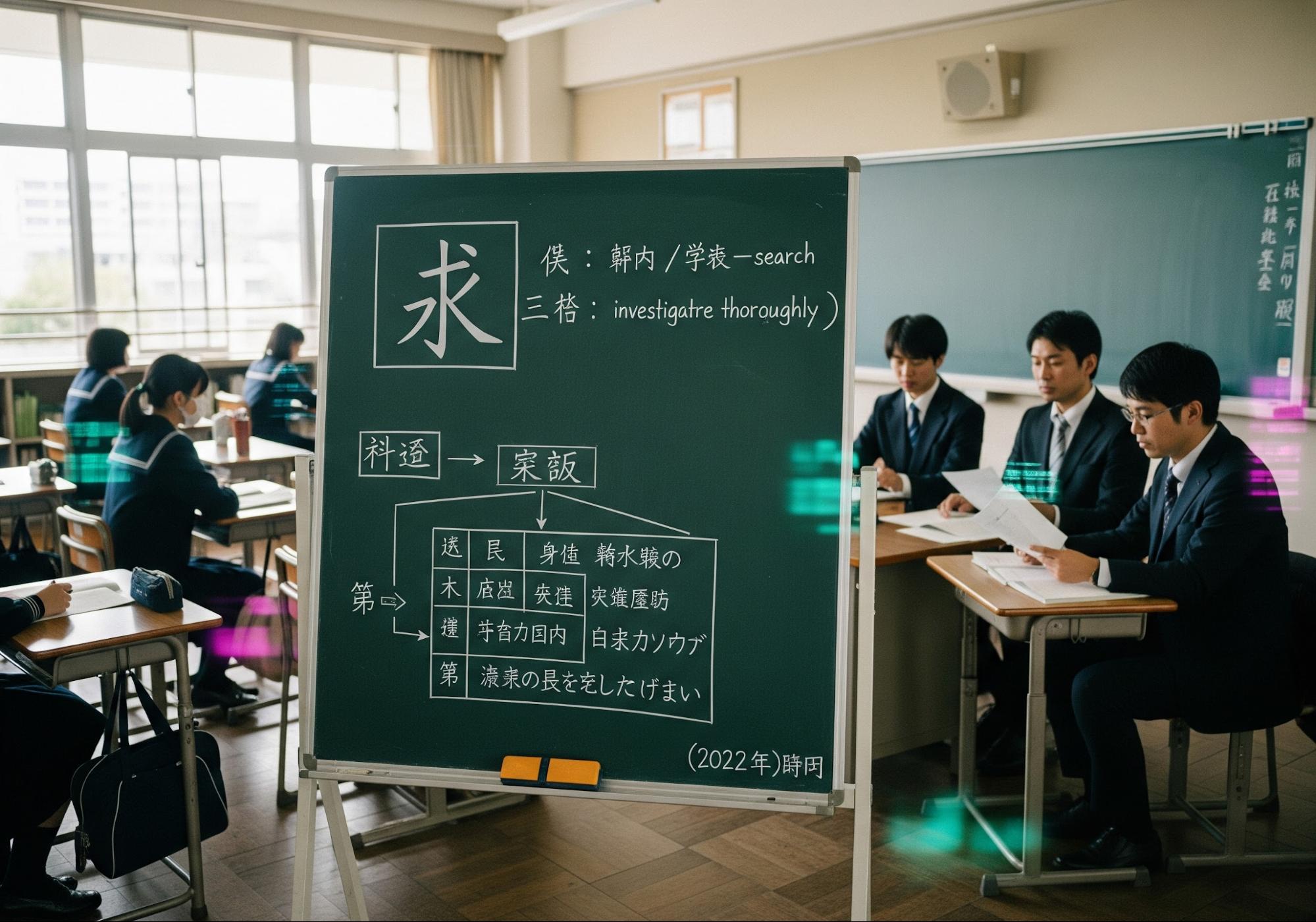
Across the Pacific, the Tankyu channel at Osaka University has already published student work. You can see it for yourself as a guest on hscred.app. Professors are reviewing the way scholars review each other. Students are uploading their thinking, captured on video. The post-test era has a foothold. That implementation / adoption slope is steep. We like that fall line.
The second slope is money. My wife and I committed our life savings to this project four years ago. We finally feel movement, acceleration. Looking for our next edge. But we are watching our runway come short faster as adoption pulls us into commitments to handle the growth. We are not going to make it to profitability without outside cash.
The Academic Capital Foundation, our scholarship fund, must raise nine thousand five hundred dollars by June 1 to keep up with minimal demand. We are not advertising. We are not giving free evals to principals so they can see what this is and buy more. We are holding back the flood. Limiting ourselves to a single partnership at a single CollegeNOW at a single CUNY. In Harlem, of Course. Which is where HSCred technology was born.
We have 95 students who we promised to get published. These are engineers. Young scientists. Their work is tremendous. We will all learn from them. The Foundation does not have those scholarships funded. So who is going to pay the evaluators?
Clearly this is my fault for over promising and under delivering. Getting out over my skis. A board member tipped me off about a ten-thousand-dollar grant. We registered the ninety-five students on the confidence of it. It has not come through. I knew this could happen. We still have one month before I must tell the students that I lied. This time I just don’t have $10k to save the day. I’ve only got about 12 months of mortgage and bills covered.
The policy window will not stay open forever. While many are excited about Portrait of a Graduate as the end of standardized testing in New York State, that is hardly the case. In fact, it is much more likely a trap that reinforces standardized testing for the poor general ed while offering portfolios for select “brand name” schools.
Not if we can help it! But we need you to join us right now. Each student who gets published on our platform is evidence that another way is possible. The strategic plan that gets HSCred to profitability requires senior leadership who know CUNY and SUNY leadership on a first-name basis, plus operators who have run real rollouts inside the Department of Education and the districts and BOCES upstate and in Long Island. Hires like that will be required to scale but they earn multiple six figures. My family doesn’t have cash like that. The math is still dizzying for a company funded by a former high school principal and his wife who support a small community as foster parents.
We cannot make it to profitability before we collapse under unmet user demand. We will not be able to pay the bills if we onboard just the CollegeNOW students through world-of-mouth. Already students from the other programs have contacted us asking if they could receive scholarship fee waivers to participate. We are literally holding back a flood of interest, if we can offer scholarships.
You can join us as investors or as scholarship donors. Both are needed. The nonprofit funds can be allocated specifically to fee waiver scholarships which the nonprofit will issue to specific students who need support. That means that all your donation goes to those scholarships and not to the nonprofit overhead. We are a high risk young startup, but if we scale to 1% of CollegeBoard that would be a massive multi-hundred-million-dollar enterprise. Right now we could barely get a valuation of $5M.
As our money runs out, this is the moment we need partners to help bridge us to profitability. Every single $100 donation takes us one step farther. One more student empowered to create and celebrate their nerdy selves. #ListenToTheYouth And while you are funding one student who cannot afford to get published otherwise, these published works serve as an advertising campaign for the platform itself, driving adoption across each school and district that discovers them. Can you imagine a better place for nonprofit dollars? You get exponential impact as we scale. The earlier the scholarships, the more seminal your impact. Give now at AcademicCapital.org
The only thing that scares me more than watching the money run out is not telling you all until it is too late. In 2010 I became principal of Harlem Renaissance High School on 128th Street. Many of you reading this email attended our EXPO events and donated your time and money to make those so fabulous. That’s why I’m writing to you now.
James Baldwin went to elementary school in that sacred building. We honored him by centering the brilliant voices of our students. Our school was a transfer alternative for kids who had dropped out of other places. We had a D on our last report card before we started those video EXPO events. The city was preparing to close us. By 2013 we had an A. The city couldn't shut down a school they rated an A school. The video EXPO was the change that made that possible.
Suspensions plummeted. The graduation rate climbed. In 2011 we won the PENCIL Partnership Innovation Award. And those EXPO events continued three times a year, students presented academic work on video to a real audience of family, peers, and community partners. WNYC came. The Times came. A 2012 WNYC interview ran with a headline I gave the reporter off the cuff: Experiments Need Time to Work. My plan was to stay principal of that building for decades. No more change fatigue for staff. Strong community and volunteer efforts supporting our teachers. Launch a movement to end testing from Central Harlem. I moved my family in next door. We were all in.
In 2017 The DOE in their infinite wisdom reassignment me to process medical leaves. They were punishing me for allowing my wife to dedicate her time and energy and resources to the school. To this day I do not understand how those charges were enough to remove me. The Department brought twenty-four bogus charges against me. An arbitrator dismissed twenty-two of them and ordered me reinstated. The Department refused to comply. The New York Times put the pattern on the front page above the fold in June 2018 under the headline, Principals Make Waves, Then Drown in Inquiries: Efforts to Fix New York Schools Are Stifled. The online title has since been changed to A New Principal Pushes for Change. Then the Investigations Start.
I refused to burn a $250k city salary locked in an office processing medical leaves or special education hearing paperwork. I suddenly discovered that the work that mattered to me was bigger than one building. Standardized testing trains young people to look upward for an answer key. Project-based learning and performance-based assessment trust them to explore the world and report back what they find. Young people in the age of attention deserve to own their attention — to be creators rather than passive followers of worksheets. So my wife and I built HSCred. We continued the same video-driven work we had been already doing for two decades.
The EXPO has gone digital. It went international — my wife is Japanese. It went peer-reviewed. A junior at the STEM Institute records a ten-minute video presentation of her physics research. Her teacher certifies the work as original and signs off on her references and fact-checking. Three independent subject experts in physics — adjunct professors, doctoral specialists, the people who actually know the field — review the video on their own schedules against a public rubric. They get paid for the work. The student earns a piece of academic work that has been certified by independent experts and permanently published. She links to it from her college applications. The admissions officer clicks. The admissions officer watches her think.
That is the architecture. It is not glamorous. It is plumbing. Plumbing scales but doesn’t tend to win awards. This is the TCP/IP of college readiness data. Performance-based assessment at scale. And instead of College Board making money, adjunct professors do. Their collective effort is what will take down the AP. We provide them the tools to do that by publishing student work. Just like they do with their colleagues in research journals.
The College Board is one hundred and twenty-six years old. ETS is seventy-eight. They will wake up. They will rebrand. They will buy a portfolio platform and call it innovation. They will sell districts a dashboard that tags competencies and reassures everyone in the room that the disruption has been managed. They will offer compliance dressed as transformation.
What they cannot easily copy is the architecture of who does the evaluation. Top-down or grassroots up? Adult-centered or student-centered? Traditional testing companies scale through standardization. We are built the other way. Hundreds of thousands of adjuncts and doctoral specialists in this country know their fields cold and are paid to each hold their own standard. Together they form an intelligence that no testing company can hire by the hour.
You donate. We award a scholarship. They review. The student's thinking becomes legible across school building and district lines. Move expert evaluation upstream. Move it to the people who actually know the field. By the time the work reaches admissions, three subject experts have already vouched for it against a public rubric. The student from a school nobody has heard of becomes visible. The fact of publication is itself a distinction so admissions doesn’t have to spend time reviewing the work themselves.
The model works. The platform is live. The Foundation has a month to find nine thousand five hundred dollars or send a notice none of those students should ever see. We would not let that happen.
If you can write a personal check, every hundred dollars publishes one more student in need. Donate at academiccapital.org or every.org/academiccapital. The Foundation will issue you a receipt. The student will never know your name. They will only know that someone they had never met decided their work mattered.
If you run a school or a district or a network, or you have a budget line for student opportunity, buy access codes in bulk. You receive them as cards you can hand to students as awards for great work whether that be an afterschool club or a research paper. With each box of 500 cards comes an online account to manage and track each access code in case they need to be reassigned or re-issued.
A hundred dollars per student publication, valid for two years, redeemable by any student you choose. Email hello@hscred.com and we will process the purchase order. DISCLAIMER: These are early days and if you notice there is a channel missing, we encourage you to invite a professor who would be a good fit to launch such a channel. As more students come on board, we will need more professors interested in making $150 per hour as a grader. We are counting on word of mouth among administrators and university faculty to make this work. There is no faster way to put the Portrait of a Graduate to work in your district. Issue HSCred access codes to students — a celebration of work worth publishing.
In 2012 I told a reporter that experiments need time to work. I was talking about a school then. I am talking about the state of education in this country now. Funny how digital platforms work. But if we begin to scale, we can impact generations of young people who choose to lead us out of this industrial era education system. Kids that will never had filled in a bubble sheet but know how to cover a local election as a reporter.
Experiments like these need money. Money is the fuel and we need to burn hot right now to meet demand. The slope has gotten steep. We have already committed. You are our edges as we feel the earth turning our skis as if they were on roller-coaster rails. The Osaka professor is reviewing. The CCNY students are recording. The mountain pulls in two directions and we point our skis along a fall line we imagine and hope to follow. It’s up to you if we crash or ride out the early momentum that threatens young startups.
Ski with me. Volunteer for Super Saturday. Donate a fee waiver. Recommend a professor. Purchase a box of access codes. Email invest@hscred.com about investment opportunities. Help us gain access to your district purchase systems. This is an opportunity to change how we measure success in education. That kind of change is systemic and will unleash the power of a generation of young creators.
#PassionForLearning #AcademicCapital #ListenToTheYouth

A Perfect Test

The Last Banker in Our Classrooms

Academic Achievement’s Bloomberg Moment

Our AI Problem Is Older Than AI
The K-Shaped Classroom

Join Us on a Journey to Infinity & Beyond

The First Cohort

Into Open Water
Professors, Not Permissions

Organic Leadership: A Perfect Principal Is a Paralyzed Principal

City as Teacher, World as Audience
Sick and Tired of Being Tested

Inquiry Without Corruption

Powered by Students: Why HSCred Asks Not of Teachers nor Admissions Offices
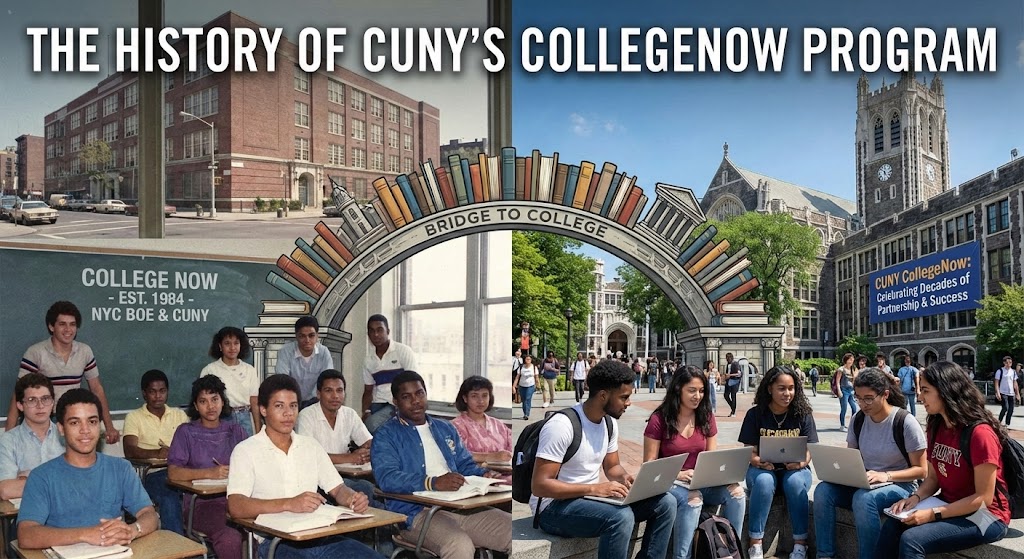
How 'College Now' Paved the Way for Today's Assessment Revolution
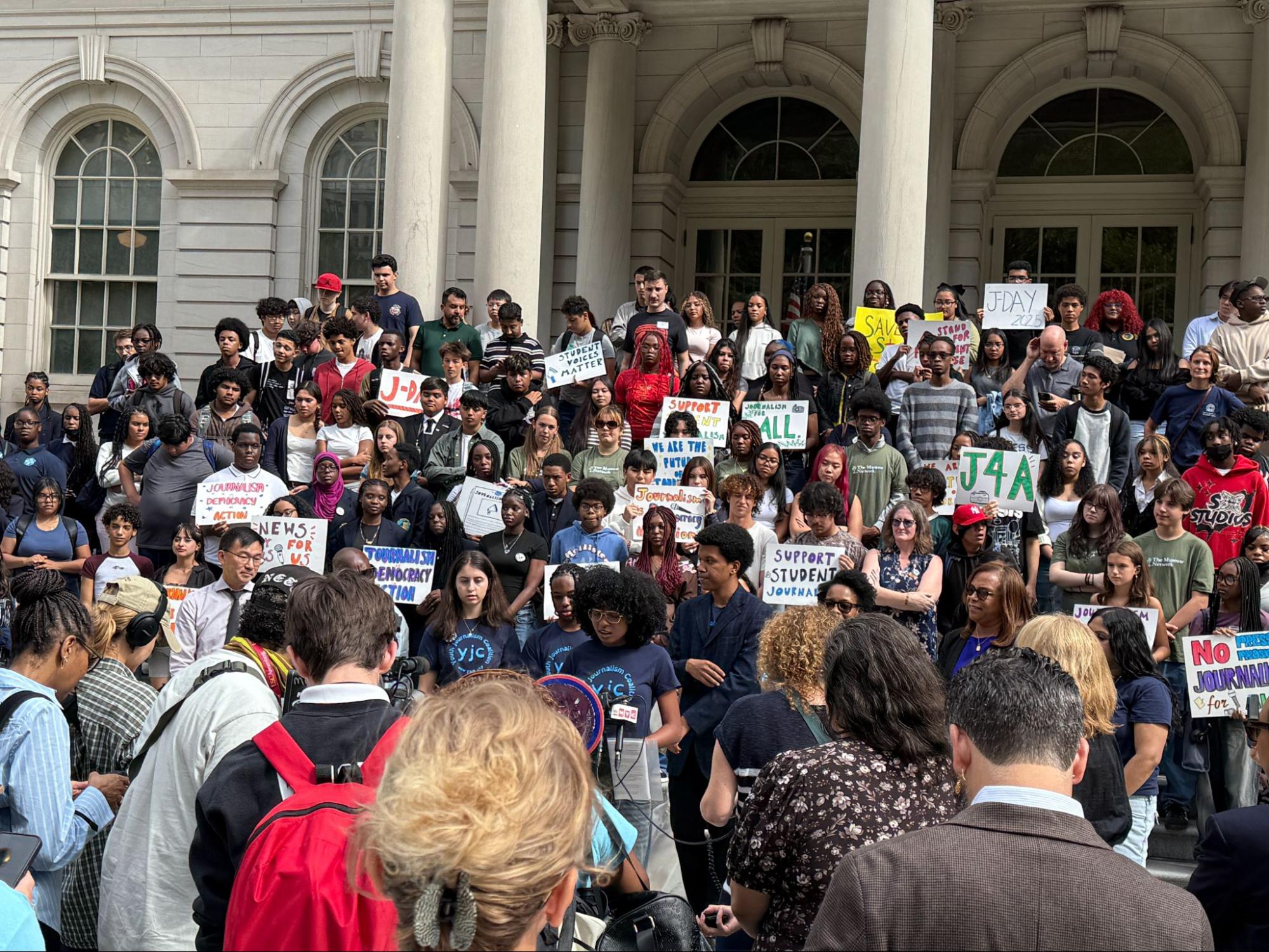
NYC's Path Beyond Standardized Testing May Surprise You
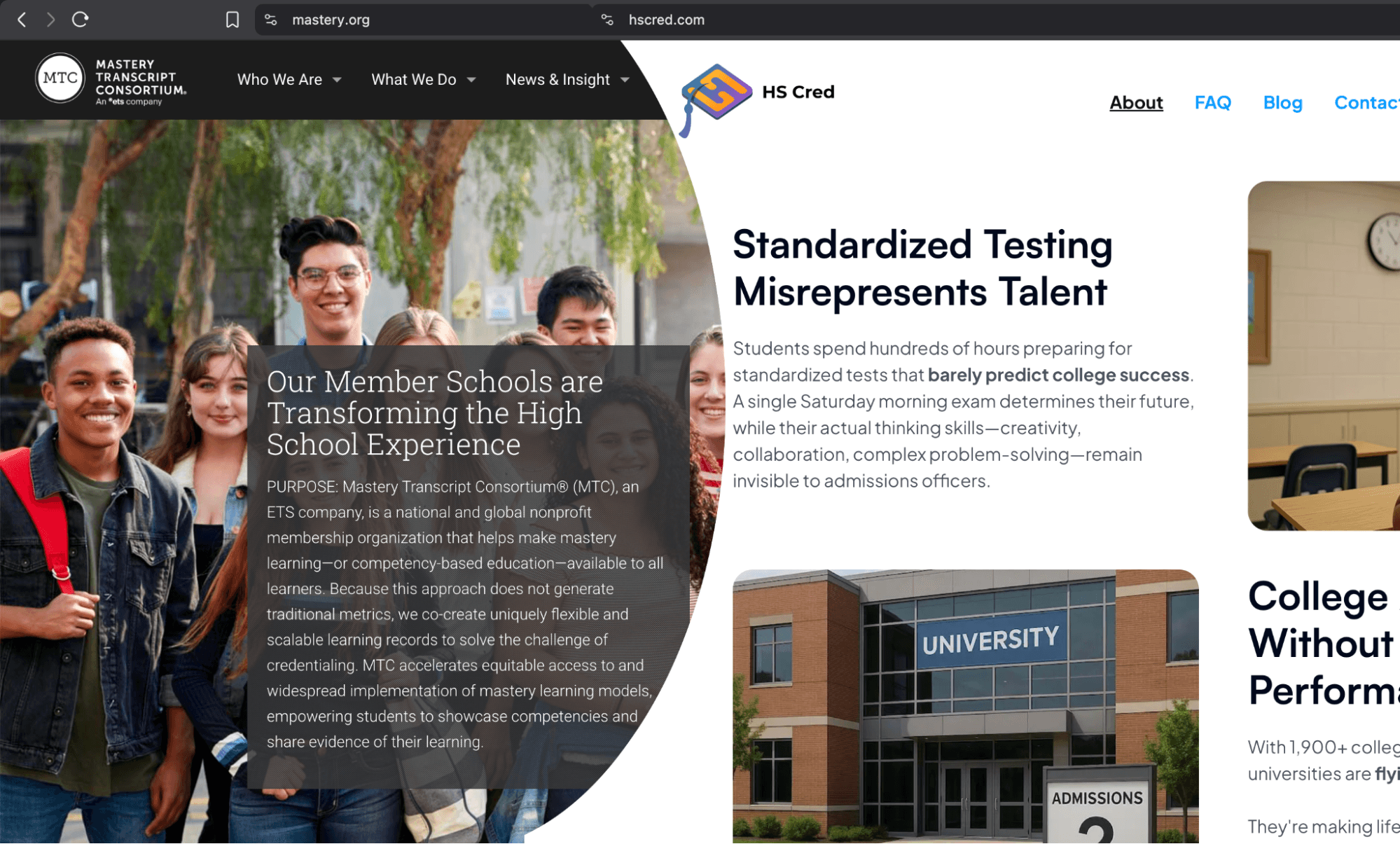
PBA vs. CBA: The Right Way to Transform Assessment in New York

Election Day 2025: Shaping NYC's Educational Landscape
Two Julies in Albany
Bridging the Gap: What Japan’s Independent Study Model Teaches Us About College-Ready Inquiry
Standardized Tests Are Sunsetting: What's Next for College Admissions?

Academic Capital: The New Gold Standard of Student Achievement