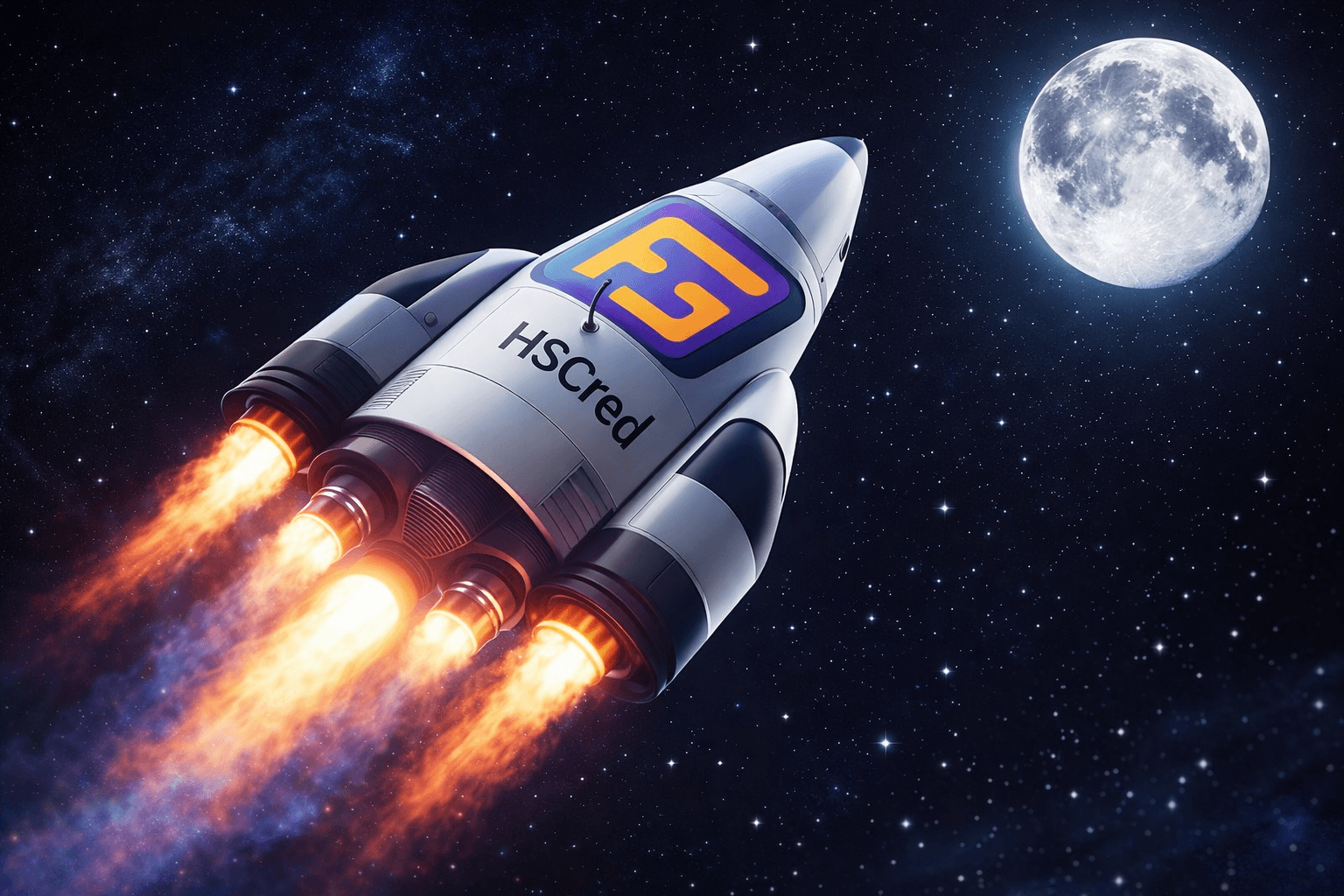
To Infinity and Beyond — Well, Maybe Just the Moon for Now
The first thing that struck me about Artemis II was not the launch. It was what happens after. The crew travels further from Earth than any humans have gone in fifty years. They orbit the moon. They look down at its surface. And then they turn around and come home. Not because something went wrong. Because this flight was never designed to land. The landing comes next.
I'm Razelle Townsend. I work on strategy at HSCred. My job is to watch what's building before anyone else can see it — and to tell the truth about where we are, not where we wish we were.
Here is the truth: we are in orbit.
Over the past three months, more than 80 students have created accounts and begun working through our platform at the CCNY STEM Institute. In the last six weeks alone, we onboarded over 50 users onto a system that had none six months ago. These are not demo accounts or passive registrations. These are students from underrepresented communities in New York City producing original academic work — research, structured argument, documented investigation — and submitting it to university professors for independent expert review. Simultaneously, students and educators in Japan are building toward their first submissions in a Tankyu channel designed by a professor at Osaka University. We are on two continents. We have eleven live channels. The infrastructure that existed only as a promise when this blog series began is now a functioning platform with real users, real rubrics, and real work moving through it.
And we still have not landed.
That used to feel like a problem. It doesn't anymore. The gap between where we are and where we are going is not a failure of execution. It is the nature of what we are building. You cannot shorten the distance to the moon by wanting it smaller. You can only keep flying.
What I have learned, building a platform inside a system as resistant to change as American education, is that the flight crew matters more than the ship. The CCNY STEM Institute professors who defined the first rubrics, the CollegeNOW program that gave us access to students, the educators who told us "yes" before there was anything to validate — they are the reason we are in orbit and not still on the launchpad. We did not move this fast because the technology was exceptional. We moved this fast because the right people decided to go first.
Next week, we land in Atlanta for the National Partnership for Educational Access conference, where HSCred is the keynote sponsor. We will be in a room full of people who spend their professional lives trying to close the gap between talent and opportunity. We will have something most of them have never seen: a live platform, with real students, with work in review, built on a model no institution owns and no single organization controls. That is not a pitch. That is a status report.
If you are reading this and you lead a school system, a university admissions office, a mayor's education agenda — and you have been watching this platform from a distance — this is the moment to reach in. We are not asking for enthusiasm. We are asking for a conversation. The next phase of this mission depends on partners willing to expand the number of students who can submit, the number of channels that exist, and the number of institutions that treat a published HSCred transcript as evidence worth acting on. The ship is built. The crew is flying. What we need now is mission control.
Reach out at info@hscred.com. The landing is coming.
Razelle Townsend is Strategy Lead at HSCred, Inc. #PassionForLearning #AcademicCapital

A Perfect Test

The Last Banker in Our Classrooms

Academic Achievement’s Bloomberg Moment

Our AI Problem Is Older Than AI
The K-Shaped Classroom

Double Fall Line

The First Cohort

Into Open Water
Professors, Not Permissions

Organic Leadership: A Perfect Principal Is a Paralyzed Principal

City as Teacher, World as Audience
Sick and Tired of Being Tested

Inquiry Without Corruption

Powered by Students: Why HSCred Asks Not of Teachers nor Admissions Offices
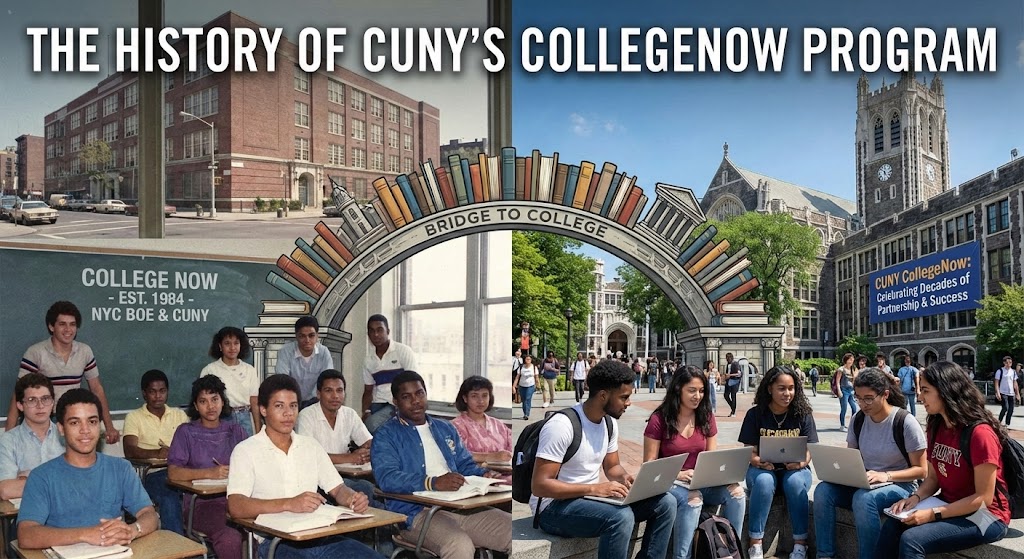
How 'College Now' Paved the Way for Today's Assessment Revolution
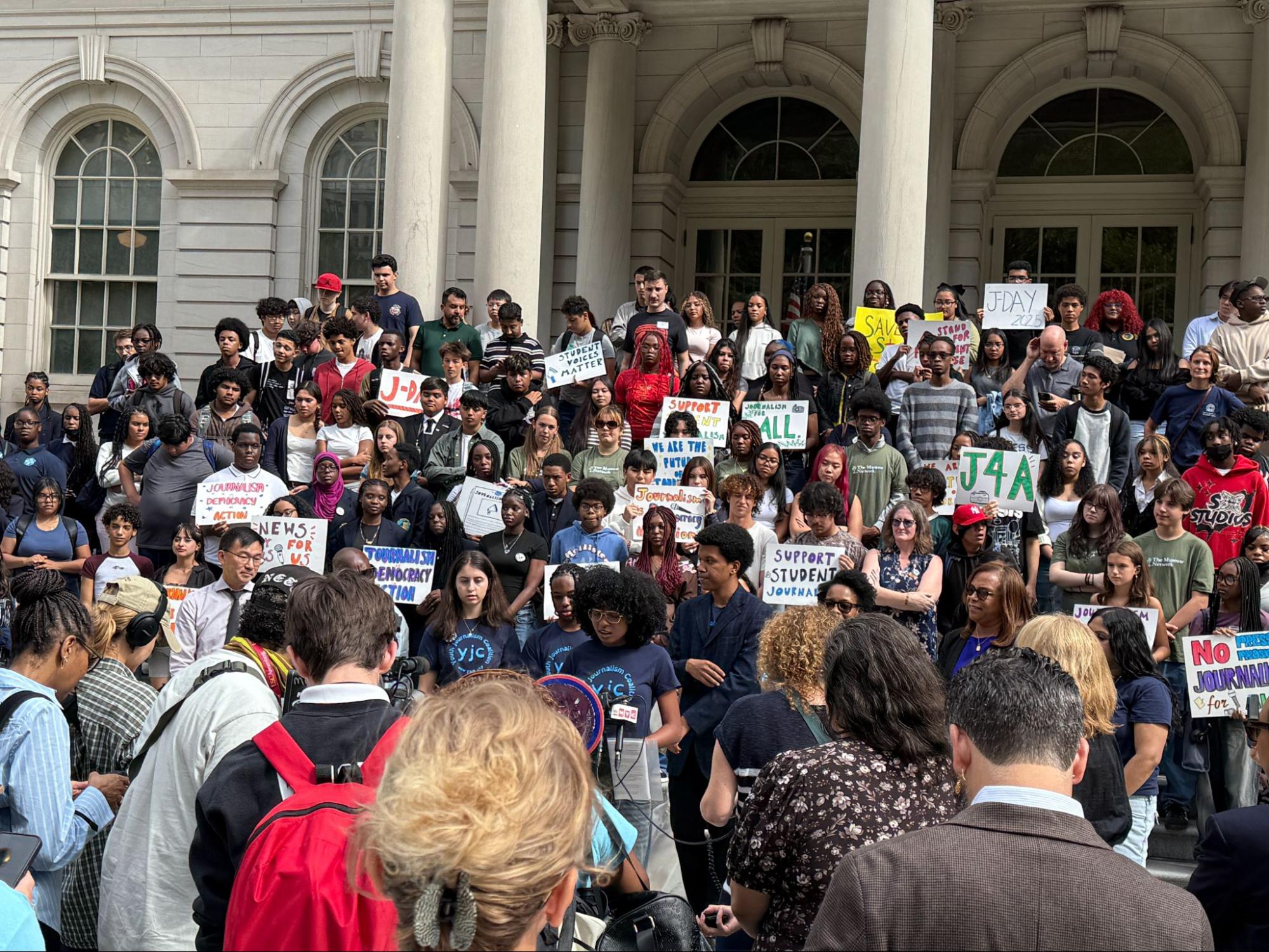
NYC's Path Beyond Standardized Testing May Surprise You
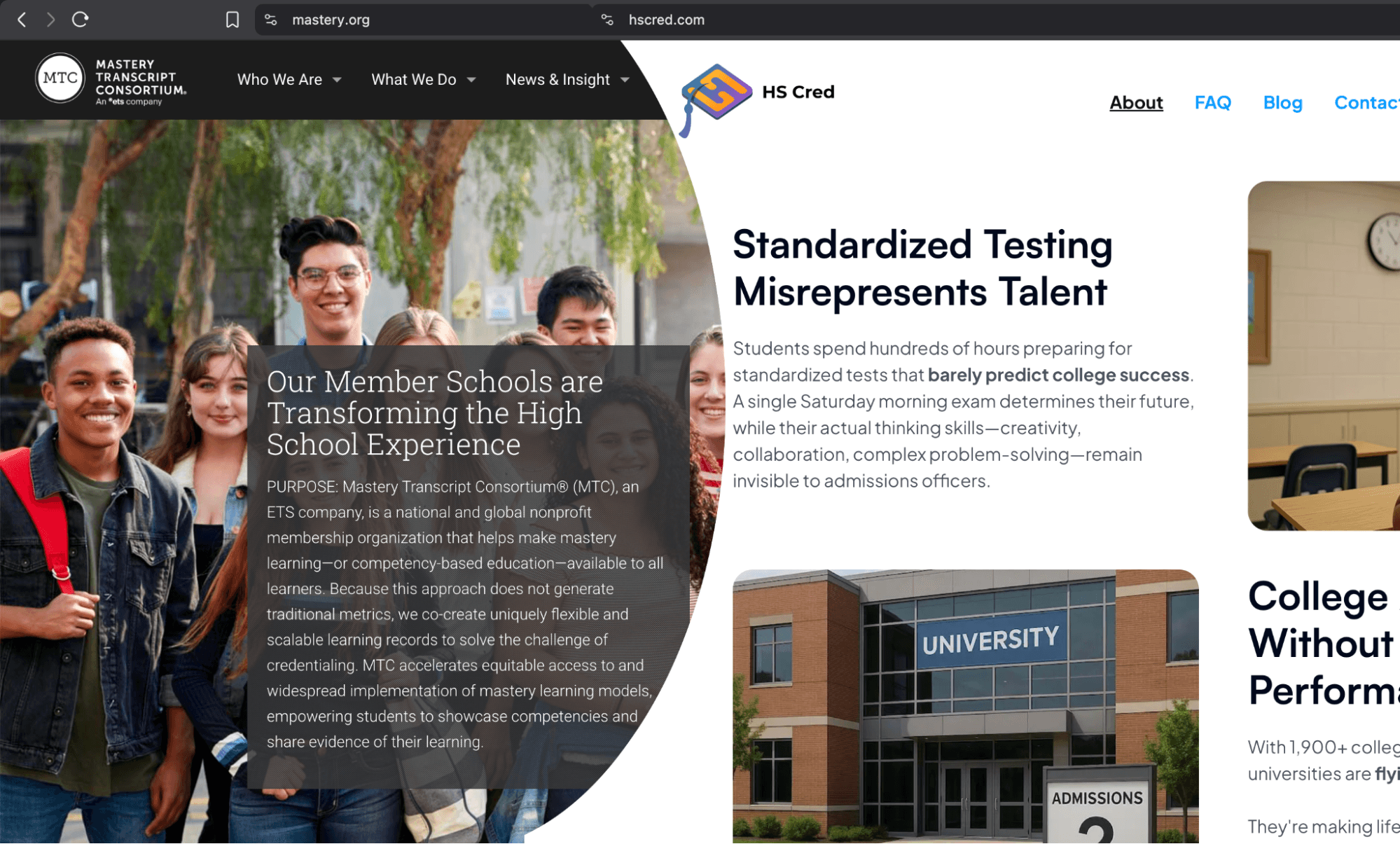
PBA vs. CBA: The Right Way to Transform Assessment in New York

Election Day 2025: Shaping NYC's Educational Landscape

Two Julies in Albany
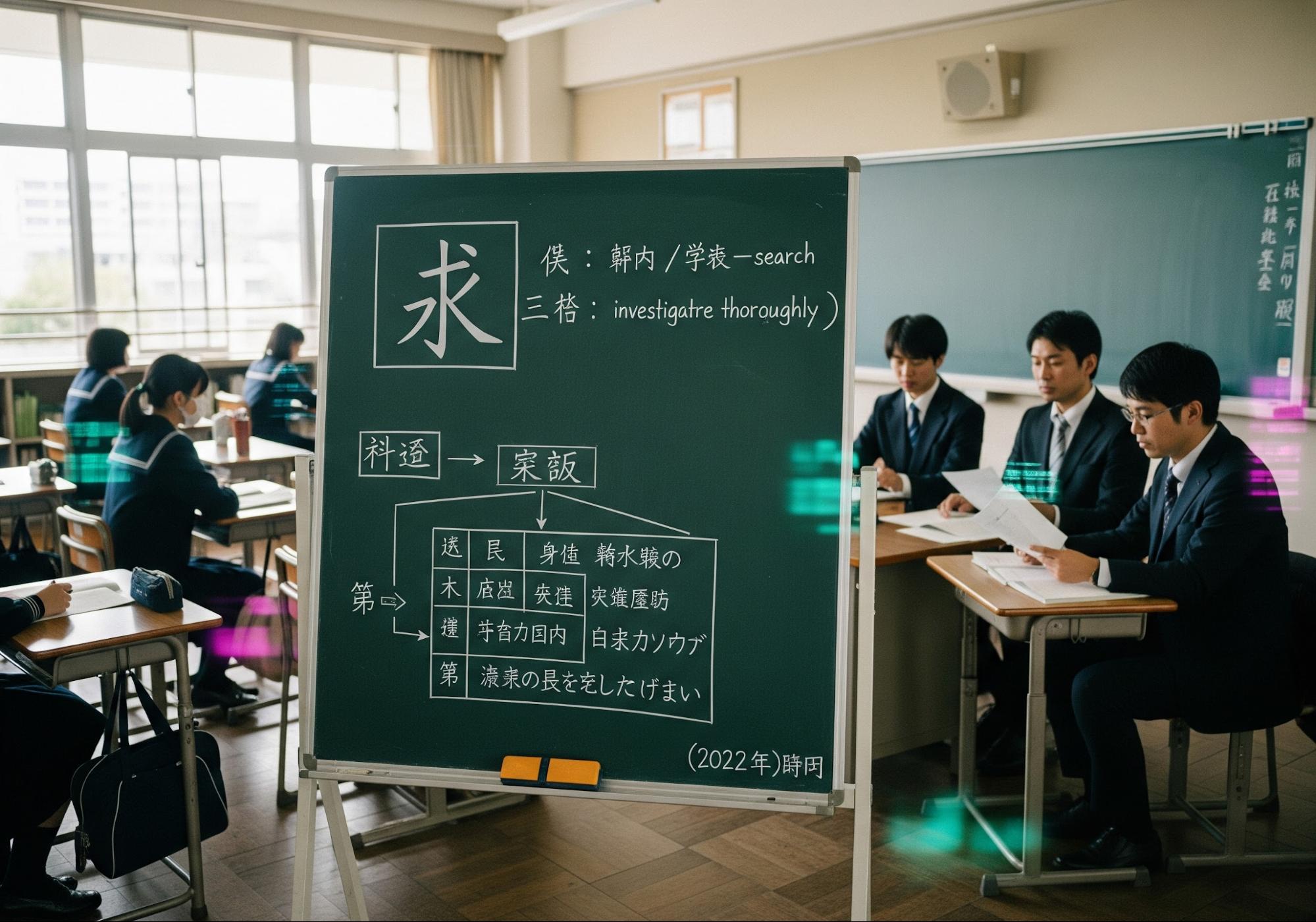
Bridging the Gap: What Japan’s Independent Study Model Teaches Us About College-Ready Inquiry
Standardized Tests Are Sunsetting: What's Next for College Admissions?

Academic Capital: The New Gold Standard of Student Achievement